Plane Sirens Raise Risk Premium Concerns
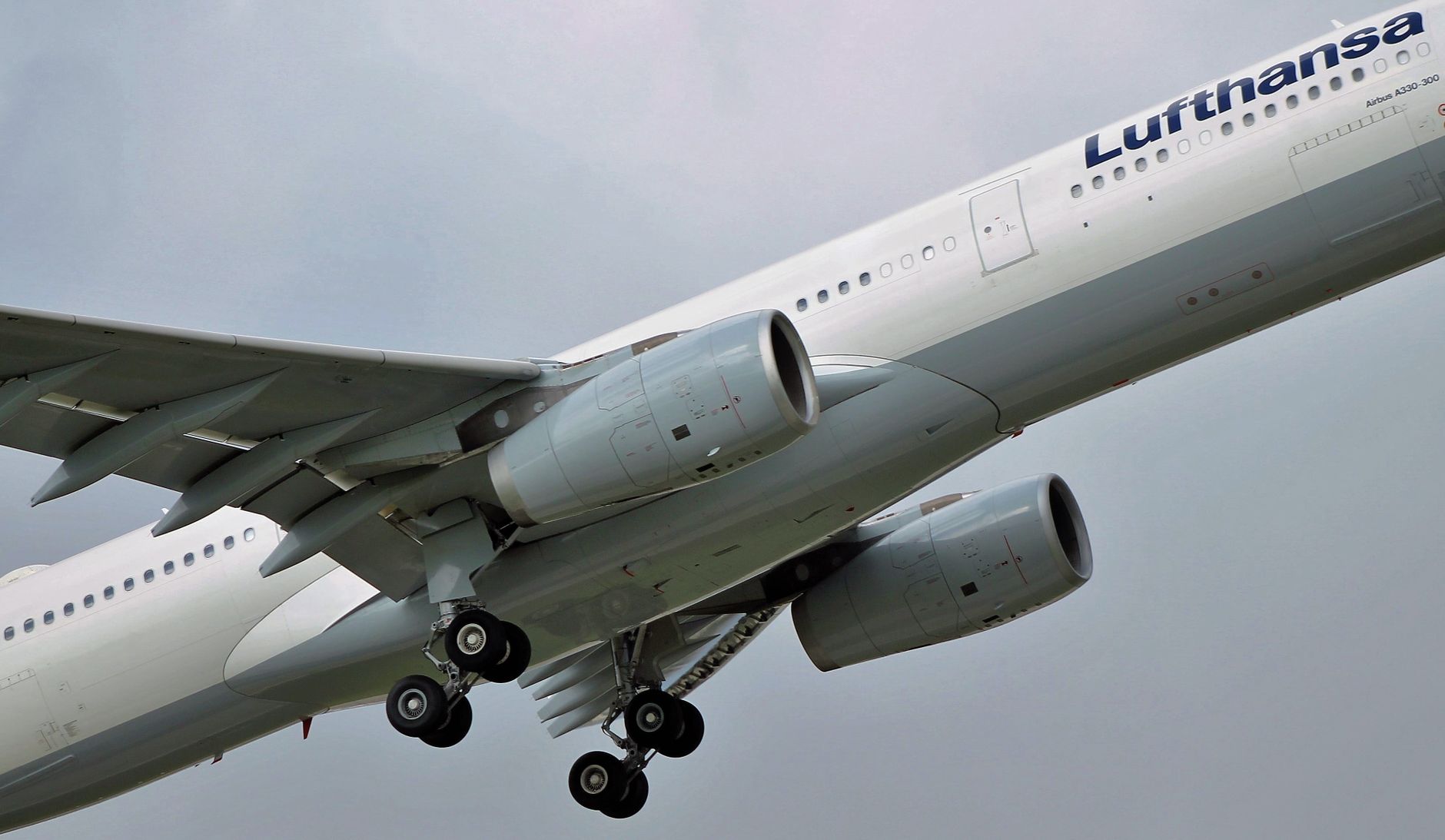
This week, one image seemed to capture the mood rather perfectly: Donald Trump leaving Turkey on an older Air Force One, while questions swirled over the Qatar-gifted jet, its security, its cost and its very awkward timing. The controversy surrounding the jet is a reflection of the complex web of relationships between countries in the region, with Qatar and the US having a long history of cooperation, including in the areas of defense and security.
Fresh US strikes on Iran triggered missile and drone alerts across Kuwait, Qatar and Bahrain. This escalation of tensions has significant implications for the region, particularly in terms of the potential disruption to trade and commerce. The Strait of Hormuz, a vital waterway for international shipping, has once again become a focal point of global concern, with many countries relying on it for the transportation of oil and other essential goods.
The Strait of Hormuz returned to the centre of global anxiety. The strait’s strategic importance cannot be overstated, with a significant proportion of the world’s oil passing through it every day. Any disruption to shipping in the region could have far-reaching consequences, including increased prices and reduced availability of oil and other commodities.
And yet, business did not stop. Dubai Taxi completed a $395 million acquisition, ADNOC Distribution pushed deeper into Africa, Saudi Arabia opened parts of Madinah’s property market to eligible foreign buyers and Gulf investors were scouting for distressed prime real estate deals in London. This continued activity is a sign to the region’s resilience and adaptability, with businesses and investors finding ways to handle the complexities of the current geopolitical setting.
ADNOC Distribution’s $1 billion South Africa deal is about much more than fuel stations. It gives the company a major platform in Africa and signals a bigger international push. The deal is a significant milestone in the company’s expansion plans, demonstrating its commitment to growing its presence in new markets and diversifying its operations. By establishing a strong foothold in Africa, ADNOC Distribution is well-positioned to capitalize on the continent’s growing demand for energy and other essential products.
It gives the company a major platform in Africa and signals a bigger international push. The move into Africa is a natural progression for ADNOC Distribution, given the continent’s vast natural resources and growing economies. By leveraging its expertise and experience in the energy sector, the company is poised to make a significant impact in the region, driving growth and development through its operations.
Dubai’s millionaire boom shows how uncertainty can strengthen the case for the city, as wealthy families think beyond homes and start moving banking, family offices and succession structures into the emirate, making Dubai a key market for real estate investments. The city’s allure lies in its unique combination of stability, security, and luxury, making it an attractive destination for high-net-worth individuals seeking to protect and grow their assets. As a result, Dubai is experiencing a surge in demand for high-end properties and related services, driven by the increasing popularity of the city as a hub for wealth management and preservation.
Meanwhile, Dar Global’s London bet captures the Gulf’s increasingly opportunistic global property strategy: buy when others are nervous, hold for the long term and follow wealthy buyers across markets. This approach is reflective of the Gulf region’s growing sophistication and maturity in the global property market, with investors seeking to capitalize on opportunities in key cities around the world. By adopting a patient and disciplined approach, Dar Global is able to identify and acquire prime assets at attractive valuations, positioning itself for long-term success in the competitive world of international real estate.
The Dubai broker myth takes on the shiny Instagram version of real estate and looks at the harsher truth: most agents need time, discipline and serious financial runway before success becomes consistent. The reality of working in Dubai’s fast-paced and highly competitive property market is far removed from the glamour and glitz often portrayed on social media. In reality, success in the industry requires a deep understanding of the local market, a strong network of contacts, and a willingness to put in the hard work and dedication necessary to build a successful career.
Binous Gym’s comeback is a very Dubai recovery story: a devastating fire, a loyal fitness community and a founder racing to rebuild bigger by October. The gym’s story is a sign to the city’s entrepreneurial spirit and the determination of its business owners, who are driven to succeed despite the challenges and setbacks they may face. With the support of its loyal customer base, Binous Gym is poised to emerge from the ashes, bigger and better than before, and continue to play a vital role in Dubai’s lively fitness community.
Weeks like this matter, as they show the Gulf in all its contradictions: tense, ambitious, expensive, resilient, occasionally absurd and almost never boring. The region’s unique blend of traditional and modern, conservative and progressive, makes it a fascinating and dynamic place to do business. From the cutthroat world of international politics to the high-stakes area of global finance, the Gulf is a region that is constantly evolving and adapting, driven by the vision and determination of its leaders and entrepreneurs.
For more information on the region, visit the Arabian Peninsula page on Wikipedia. The Arabian Peninsula is a region of great cultural, historical, and economic significance, with a rich heritage and a diverse range of settings and ecosystems. From the ancient trade routes and historic cities to the modern metropolises and cutting-edge infrastructure, the region is a treasure trove of knowledge and experience, waiting to be explored and discovered.


