Housing market fails low income families
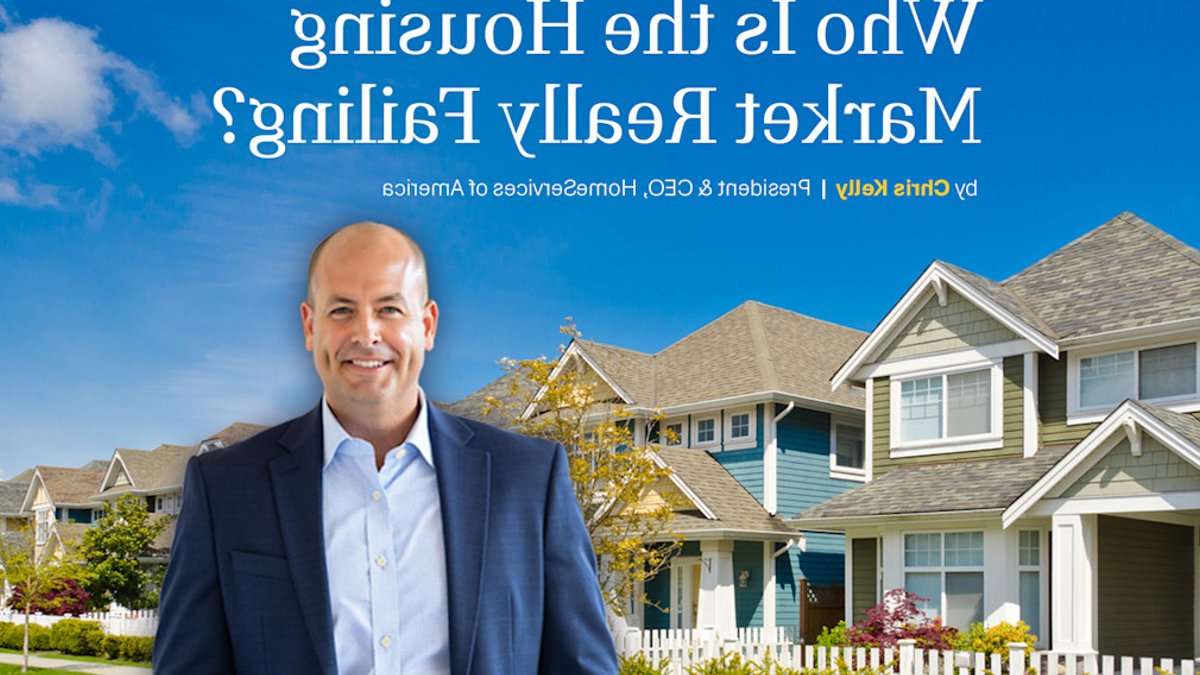
The housing market is facing a crisis, but it’s not the sellers who are being harmed. A recent Gallup poll found that nearly 9 in 10 Americans believe buying a home is harder than ever, and the data suggests that the crisis is actually affecting buyers, particularly those who haven’t yet entered the market.
Existing homeowners have benefited from a significant increase in wealth over the past decade, with national home values appreciating 75 to 90% and total homeowner equity reaching $35 trillion. The average mortgage-holding homeowner has roughly $302,000 in equity, which represents real financial security for millions of families.
However, this wealth creation has not been evenly distributed. According to the National Association of Realtors, households earning $75,000 a year can afford just 21% of home listings nationally, down from almost 50% before the pandemic. This means that for a wide swath of American earners, the market has effectively closed.
The Harvard Joint Center for Housing Studies found that home sales have fallen to their lowest level in 30 years, and monthly mortgage payments on the median-priced home have more than doubled since 2020. The income required to responsibly carry that payment has nearly doubled as well, from under $70,000 to over $130,000.
These barriers are facing teachers, nurses, young professionals, and dual-income households without generational wealth behind them. The adult children of renters, who have historically driven first-time buyer demand, are also being affected. Among non-homeowners aged 18 to 34, the share expecting to purchase a home within five years has fallen by nearly half compared to a decade ago.
The Gallup 2026 Economy and Personal Finance poll found that just 19% of all non-homeowners now believe they can buy within five years, a record low. This suggests that the industry’s focus needs to shift from today’s transactions to tomorrow’s homeowners.
The real estate industry needs to find mechanisms to support these buyers, who are the future transaction volume, clients, and next generation of homeowners, such as through new market expansions that can help increase affordability.
Everyone who is buying or selling matters in the industry, but it’s essential to support the future buyer. They are the industry’s future, and an industry that fails to advocate for their access to the market is undermining its own future. The trends outlined here represent the surface of a far more complex story, and examining the data behind the crisis is necessary to understand the generational wealth gap created by delayed homeownership.
By understanding the factors impacting the housing market, the industry can work towards creating a more equitable housing market, which will be critical for the future of the real estate industry and the economy as a whole, as banks and other financial institutions are also being impacted by the housing market crisis.


