
“`html
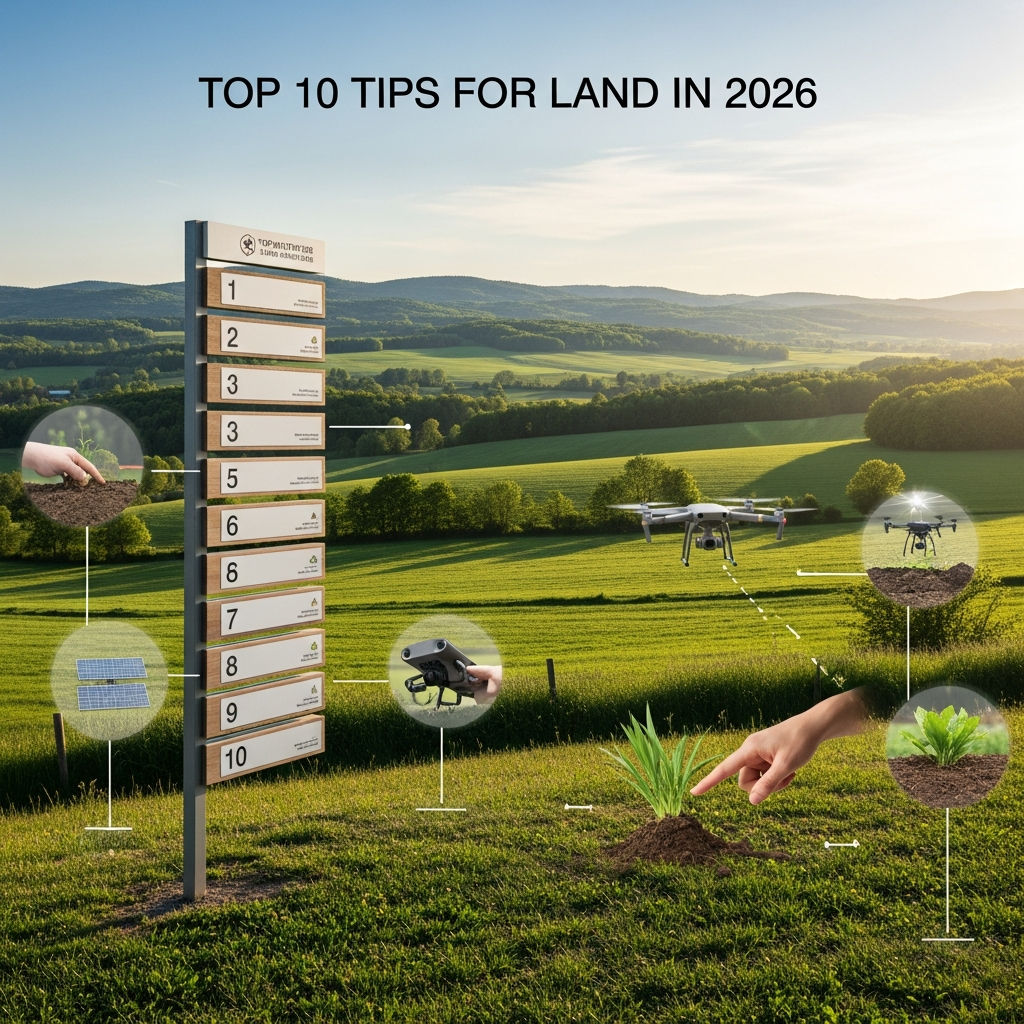
Top 10 Tips for Land in 2026: Navigating Future Real Estate Opportunities
The landscape of land ownership and investment is constantly evolving, and as we approach 2026, new challenges and unprecedented opportunities are emerging. From climate considerations to technological advancements and shifting demographics, the factors influencing land value and utility are becoming increasingly complex. Whether you’re a seasoned investor, a first-time land buyer, or a developer, understanding the key trends and strategic approaches will be crucial for success. This comprehensive guide provides the top 10 tips for land in 2026, designed to help you make informed decisions and capitalize on future real estate dynamics.
Top 10 Tips for Land in 2026
1. Embrace Data-Driven Decision Making
In 2026, guesswork in land acquisition will be a costly mistake. Leverage advanced analytics, Geographic Information Systems (GIS), and predictive modeling to understand market trends, demographic shifts, and environmental factors. Tools that analyze everything from soil quality and water access to historical pricing and future infrastructure plans can provide an invaluable edge. Data-driven insights will help identify undervalued parcels, forecast growth areas, and mitigate risks, making your land investment in 2026 far more strategic and profitable.
2. Prioritize Sustainability and ESG Factors
The demand for sustainable land use is not a fleeting trend but a fundamental shift. In 2026, land with strong Environmental, Social, and Governance (ESG) credentials will command a premium. This includes parcels suitable for renewable energy projects, those that support biodiversity, or properties adaptable to eco-friendly development. Regulatory pressures, consumer preferences, and investor expectations are all aligning to favor land investments that demonstrate a commitment to ecological responsibility and community benefit. Future-proof your portfolio by seeking out land that aligns with these critical sustainability principles.
3. Diversify Your Land Portfolio
Just as with any investment, diversification is key to resilience. Don’t limit your focus to a single type of land or geographic region. Consider a mix of agricultural, residential, commercial, and even recreational land. Explore different land classes, from undeveloped tracts with future development potential to income-generating properties. This strategy helps mitigate risks associated with localized market downturns or specific sector challenges, ensuring a more stable and robust land investment in 2026. A diverse portfolio allows you to adapt to various market conditions and capitalize on different growth opportunities.
4. Understand Local and Regional Zoning Changes
Zoning laws are dynamic and can drastically impact a property’s potential and value. Stay ahead of proposed and enacted zoning changes in areas of interest. Urban sprawl, conservation initiatives, new infrastructure projects, and even climate-driven land-use regulations can alter a parcel’s highest and best use. Engaging with local planning departments and community groups will provide critical foresight. Understanding these shifts is paramount for anyone looking to buy land in 2026, as it can unlock significant development opportunities or, conversely, impose unexpected restrictions.
5. Assess Climate Resilience and Water Access
Climate change impacts, such as increased frequency of extreme weather events, droughts, and floods, are no longer theoretical concerns. In 2026, thoroughly assess the climate resilience of any land you consider. Evaluate historical weather patterns, flood plain maps, and water availability. For agricultural land, water rights and irrigation infrastructure are becoming increasingly vital. For development, consider elevation, drainage, and potential for natural disaster mitigation. Investing in climate-resilient land will protect your assets and ensure long-term viability in a changing environment.
6. Explore Emerging Niche Land Markets
Beyond traditional real estate, several niche land markets are poised for significant growth by 2026. Look into land suitable for renewable energy generation (solar farms, wind turbines), data centers requiring vast tracts of secure, accessible land, or properties that can generate carbon credits. The growing demand for specialized agricultural uses, like vertical farming or organic produce, also presents unique opportunities. Being an early mover in these emerging sectors can yield substantial returns, making them key future land trends to monitor.
7. Leverage Technology for Management and Security
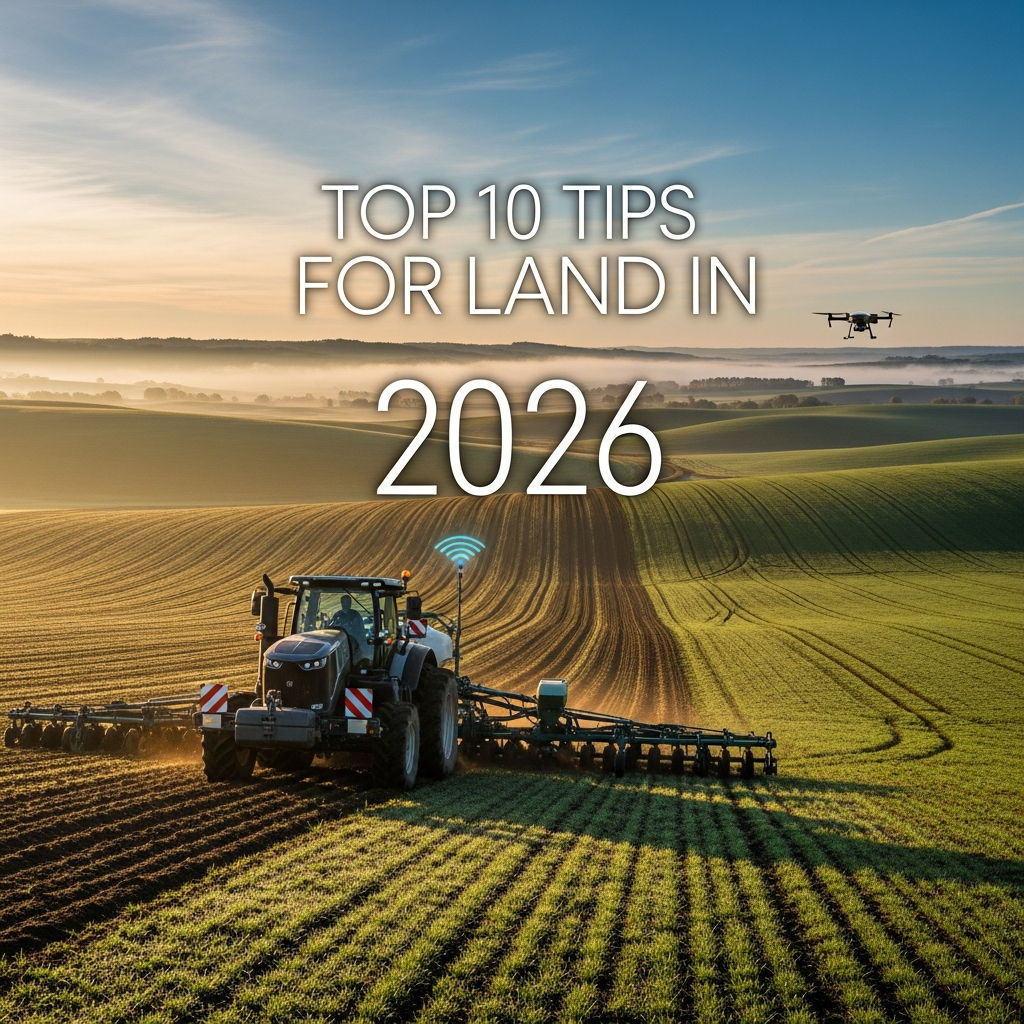
Modern technology offers powerful tools for managing and securing land. Drones provide cost-effective and detailed surveying, monitoring, and progress tracking for development projects. IoT (Internet of Things) sensors can monitor everything from soil moisture to security breaches on remote properties. Blockchain technology is also beginning to revolutionize land titles and transactions, offering unprecedented transparency and security. Adopting these technologies can significantly enhance efficiency, reduce operational costs, and safeguard your land investment in 2026.
8. Focus on Infrastructure Proximity and Development Plans
Location remains paramount, but in 2026, this increasingly means proximity to robust infrastructure and areas slated for future development. Land near planned transportation hubs, utility expansions, high-speed internet access points, or major commercial developments often sees accelerated appreciation. Research government and private sector development plans. Investing in areas where infrastructure improvements are underway or imminent can provide a strategic advantage, transforming seemingly modest parcels into highly desirable real estate.
9. Consider Long-Term Demographic Shifts
Demographic trends significantly influence demand for various types of land. An aging population might increase demand for accessible housing or recreational areas. Migration patterns to specific regions can drive demand for residential or commercial development. Understanding these long-term shifts – urban-to-rural migration, growth of specific age groups, or changes in household size – can help you anticipate future land needs and position your investments accordingly. Analyze demographic projections when considering land acquisition in 2026.
10. Engage with Local Experts and Community
No amount of data can fully replace local expertise. Build relationships with local real estate agents specializing in land, land planners, environmental consultants, and community leaders. They possess invaluable nuanced knowledge about micro-markets, local politics, and unwritten community expectations that can make or break an investment. Engaging with the community also fosters goodwill, which can be crucial for development projects or navigating local regulations. Local insights are a critical component for successful land acquisition in 2026.
Why These Tips Matter for Your Land Investment in 2026
The land market in 2026 will be characterized by both immense potential and increased complexity. These ten tips are designed to equip you with a proactive, forward-thinking approach. By integrating sustainability, leveraging cutting-edge technology, and making data-informed, diversified decisions, you can navigate future land trends successfully. Ignoring these critical factors risks not only missed opportunities but also significant financial setbacks. Strategic planning based on these insights will ensure your land holdings are resilient, valuable, and poised for growth in the coming years.
Conclusion
Investing in land in 2026 requires more than just capital; it demands foresight, adaptability, and a commitment to informed decision-making. The tips outlined above provide a robust framework for approaching the evolving real estate market. By embracing innovation, understanding environmental imperatives, and staying attuned to economic and demographic shifts, you can unlock significant value and secure a prosperous future for your land investments. Start preparing today to capitalize on the unique opportunities the future of land holds.
“`
