Time Out Market to launch at Piccadilly Circus in 2028
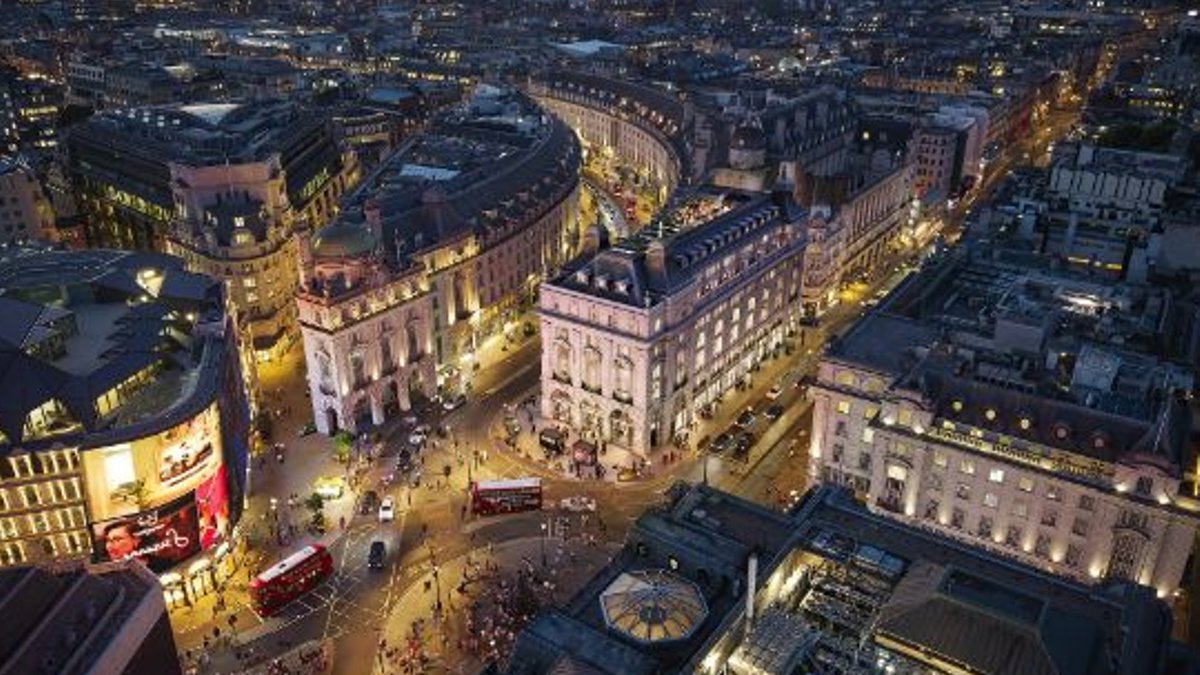
Time Out Market will open its first London location in 2028, returning to the city where the brand began nearly 60 years ago. The three-floor flagship will occupy 2,453 square meters at 55 Regent Street, a Grade II-listed building at the intersection of Regent Street, Piccadilly, and Piccadilly Circus.
The site, once home to Swan & Edgar department store and later Tower Records, is part of a larger regeneration effort by The Crown Estate at 10 Piccadilly. The project will restore the historic property while introducing a mix of restaurants, bars, and cultural events curated by Time Out’s local editorial team.
London flagship to anchor global expansion
The venue is expected to create around 130 jobs. It will prioritize sustainability through energy-efficient systems, food waste reduction, and local sourcing. The location will also serve as a model for future Time Out Markets, which currently operate in 13 cities across four continents, including New York, Dubai, and Osaka.
Chris Ohlund, chief executive of Time Out Group, described the partnership with The Crown Estate as “one of the most significant milestones in Time Out’s nearly 60-year history.” He added that bringing the Market concept to London was “both a celebration of where we began and a statement of where we are going.”
The choice of such a high-profile address shows how institutional landlords now view food halls. Once considered secondary to traditional retail anchors, curated multi-operator spaces are now valued for their ability to attract visitors, extend dwell time, and generate turnover-linked income. This shift comes as single-tenant retail leases become harder to secure.
Charles Owen, head of Regent Street at The Crown Estate, said the project “reflects the area’s continued appeal to innovative international brands.” It aligns with a strategy to invest in the street’s future. The approach demonstrates how London’s West End is adapting to changing consumer habits, where experience-driven destinations often perform better than static retail.
Time Out Market’s success in other cities suggests the model could work in London, though the city’s competitive dining scene and high operating costs present challenges. The company’s ability to balance local flavor with global appeal will determine whether the flagship sets a standard for future locations or serves as a warning.
Related: STRABAG buys Poland’s tallest regional tower
A landmark site with a layered past
The building at 55 Regent Street has stood at the heart of London’s commercial and cultural life for nearly a century. Constructed in 1925 for Swan & Edgar, a luxury department store, it later housed Tower Records during the 1980s and 1990s. Its Grade II listing requires any redevelopment to preserve its historic character, a requirement the regeneration plans address.
The 10 Piccadilly project aims to revitalize a stretch of the West End that has struggled to keep pace with newer retail and entertainment hubs. By introducing Time Out Market, the effort hopes to draw both tourists and Londoners back to the area through food, culture, and local identity.
For Time Out, the London flagship represents more than just another location. The company, which started as a listings magazine in 1968, has spent the last decade expanding into hospitality. It uses its editorial expertise to curate spaces that reflect the best of each city. The London Market will be the first in the brand’s home market, marking a symbolic return after decades of growth abroad.
Ohlund’s remarks highlight the stakes. Success could solidify Time Out Market’s reputation as a leader in experiential dining. Failure might force the company to reconsider its approach in a market where competition is fierce and consumer expectations are high.
The project is set to open in the first half of 2028, with construction expected to begin soon. Until then, the building will remain a quiet landmark, its future role in London’s evolving West End still unfolding.
Similar ventures have shown promise in other cities. Water treatment platforms have attracted significant investment, demonstrating how specialized infrastructure can drive urban regeneration.
Related Stories
 Agent Commission Files
Cascadia, Fiera Build 66 Rental Units on North Vancouver Lonsdale
 Agent Commission Files
Bulk Condo Purchases Drive Canada’s Housing Market Shift
 Agent Commission Files
BGO Acquires Full Ownership of Pivot, Adds Victoria Rental
 Agent Commission Files