FIFA Delays Saudi Arabia’s 2034 World Cup Plans
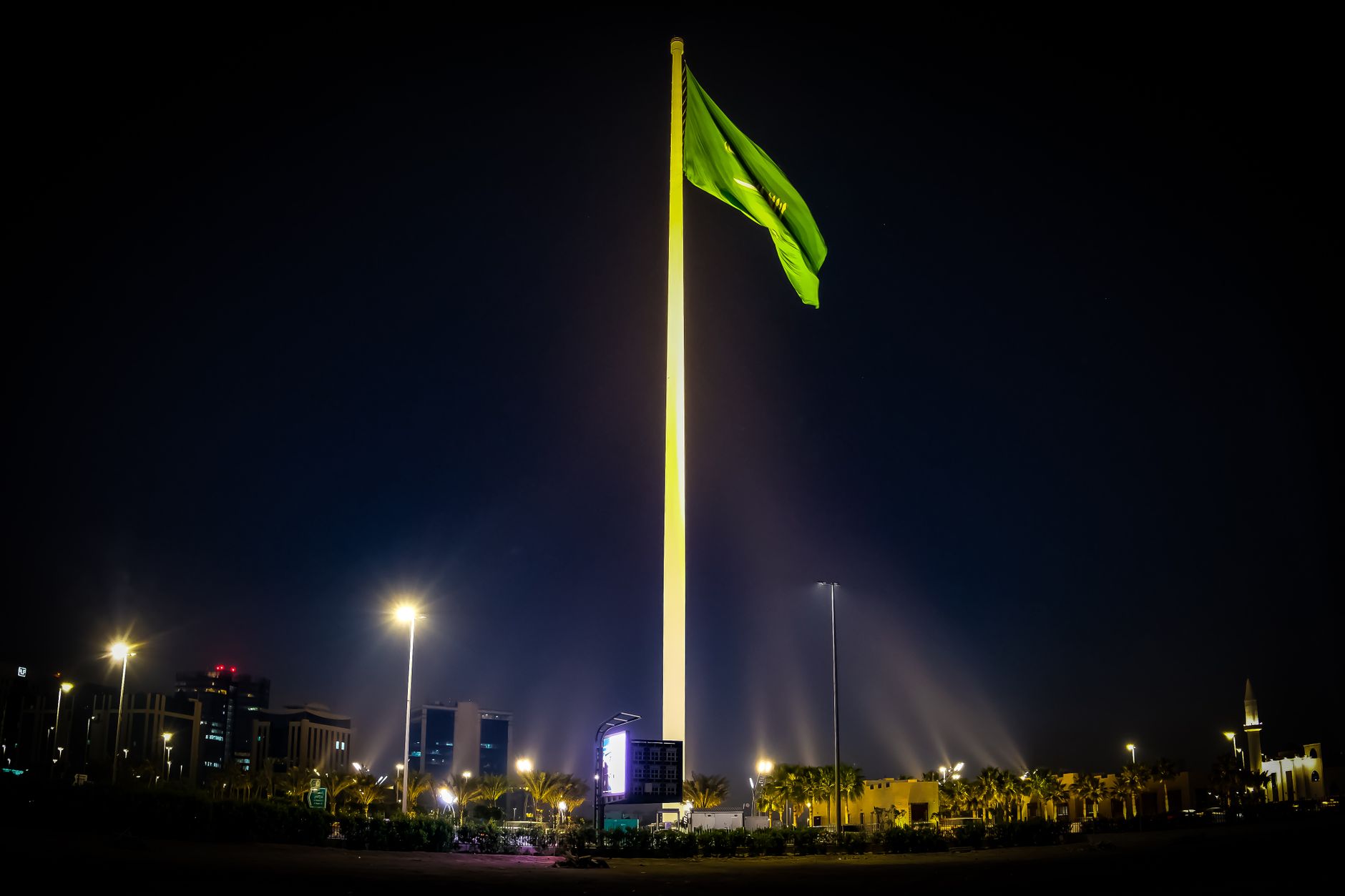
Saudi Arabia’s award to host the 2034 World Cup has sparked a scheduling dilemma that could push the tournament into early 2035, officials said.
Ramadan and climate clash with traditional dates
The tournament usually runs in summer, but the heat in the Arabian Peninsula makes June and July untenable. Temperatures can exceed 50°C with high humidity, conditions far from ideal for elite football.
When Qatar staged the 2022 edition, matches were shifted to November‑December to avoid similar extremes. Many assumed the kingdom would follow that model, but 2034 brings another obstacle: Ramadan is projected to begin around November 12 and last nearly a month.
Ramadan is the most sacred period in the Islamic calendar, and daily routines across the nation change dramatically. Hosting a global event with fans from dozens of nations during that time could create logistical challenges, from altered meal schedules to reduced nighttime activity.
Adding to the complexity, the Winter Olympics will be held in Salt Lake City early in 2034. Broadcasters already juggle extensive coverage for two major spectacles, and sponsors prefer not to split audience attention between overlapping events.
Possible shift into the new year
One proposal suggests the competition could start between Christmas and New Year, then conclude in late January 2035. That would give a six‑to‑seven‑week window, avoiding both Ramadan and the Olympics.
FIFA is also considering expanding the field to 64 teams, which would tighten the schedule further. The narrow timeframe appears to be the only realistic solution under current constraints.
The kingdom will also host the Hajj pilgrimage in March, another massive gathering that cannot be moved because its timing follows the lunar calendar.
From a broader standpoint, the scheduling issue illustrates how global tournaments must adapt to regional calendars and climate realities. Balancing religious observances, weather, and other major sporting events is increasingly complex as FIFA pushes the game into new markets.
Critics have previously questioned FIFA’s decision to award the 2022 World Cup to Qatar, and the Saudi bid has drawn similar scrutiny. Nevertheless, the organization maintains that diversifying locations promotes the sport’s growth beyond its traditional strongholds in Europe and South America.
FIFA President Gianna Infantino has urged the industry to stay “open‑minded” about such moves, citing the need for broader inclusion despite occasional backlash.
While the exact dates remain under discussion, planners agree that a late‑year kickoff followed by a January finish offers the most viable path forward.
Fans can expect the tournament to straddle two calendar years, a rarity for the world’s premier football competition.
Related Stories
 Neighborhood Price Index
Vancouver’s AAA Office Market Freezes
 Neighborhood Price Index
Zzen Group Acquires Two Vaughan Industrial Buildings for $115M
 Neighborhood Price Index
Gingerbread House in Glebe Sells for $2.78 Million
 Neighborhood Price Index