
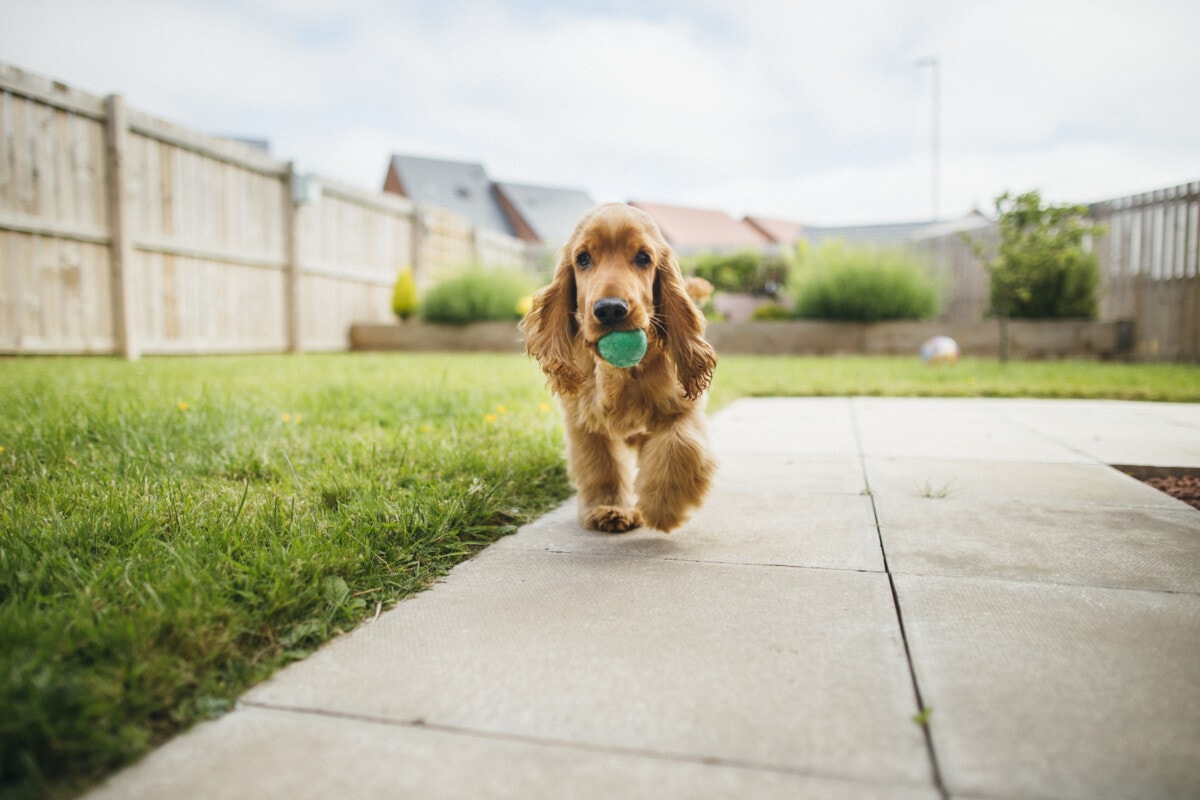
Transform Your Yard Into a Dog-Friendly Paradise: Expert-Backed Backyard Design Tips
The Importance of Secure Boundaries: Building a Safe Outdoor Space
For dog owners, the backyard is more than just an extension of the home—it’s a sanctuary for play, exercise, and relaxation. However, creating a space that balances safety, functionality, and enjoyment requires thoughtful planning. According to Louis W. Robinson, owner and head trainer at Robinson Dog Training LLC and a veteran military working dog handler, many backyard issues stem from “poor design and lack of structure” rather than the dog’s behavior itself. A secure perimeter fence is the cornerstone of any dog-friendly yard, preventing escapes and shielding pets from external hazards.
Robinson emphasizes that while a sturdy fence is non-negotiable, it’s equally important to eliminate escape opportunities. This includes checking for loose boards, broken wires, or gaps that a determined dog might exploit. Leanne S., client success coordinator at Emotional Pet Support, recommends using “dig-proof fencing with buried barriers” to deter digging attempts. Regular maintenance is key to ensuring your fence remains a reliable boundary for years to come.
Durable Landscaping: Choosing Pet-Safe Materials for Long-Lasting Yards
Traditional lawns can quickly fall victim to the relentless energy of active dogs, leading to patchy, uneven surfaces. To maintain a lush, functional outdoor area, consider alternatives like artificial turf or decomposed granite. Heather Oakes of Hot Dog On A Leash notes that “durable, easy-to-clean surfaces like artificial turf or decomposed granite hold up better than delicate grass, especially for active dogs.”
Other pet-safe ground cover options include pea gravel or smooth, river-washed stones. When using wood chips, avoid cocoa mulch, as Leanne S. warns it’s toxic to dogs. Instead, opt for non-toxic alternatives like shredded hardwood or cedar mulch, which break down slowly and are safer if ingested. Similarly, landscaping choices should prioritize non-toxic plants—replacing Sago Palms, which contain the toxin cycasin, with safer options like sunflowers or rosemary.
For homeowners in arid regions like Boulder County, drought-resistant grass varieties such as Dog Tuff grass offer a practical solution. Realtor Libby Earthman highlights that this grass is “virtually indestructible, requires water only once or twice a month, and provides a soft, durable surface that pets adore.” It’s a smart investment for both pet owners and real estate buyers, enhancing curb appeal while reducing maintenance costs in water-scarce areas.
Creating Enrichment Zones: Stimulating Your Dog’s Mind and Body
A well-designed backyard isn’t just about safety—it’s also about mental and physical stimulation. Karen at Playology stresses the importance of enrichment, noting that “a common mistake is overlooking enrichment. Backyards should be more than open space; they should be a stimulating environment that keeps dogs happy and fulfilled.”
Integrate features like shaded rest areas, fresh water sources, and designated play zones to cater to your dog’s needs. Leanne S. advises having “a shaded area and any fresh water source to keep your pet cool and hydrated while they play outside—something simple, like a bowl of water under a tree would do just fine.”
For dogs with a penchant for digging, creating a legal digging zone—such as a sandpit or an enclosed area with loose soil—can redirect their energy productively. Similarly, burying chicken wire or large stones beneath the soil along fence lines can discourage digging over time. Bryan Williams of Savory Prime recommends “designated areas for play and training to encourage positive behaviors and reduce destructive habits,” ensuring your dog remains engaged and well-behaved.
Designing for Behavior Management: Practical Solutions for Common Challenges
Addressing common canine behaviors through thoughtful design can save time and frustration. Heather Oakes views the backyard as an extension of the home, advising that owners “use the space to reinforce boundaries, recall, and calm behavior rather than allowing uncontrolled roaming.”
For dogs that chew excessively, providing a variety of long-lasting chews can help satisfy their needs while promoting healthy habits. Additionally, installing a “pacer’s path” or dog run parallel to the fence—made of soft pea gravel or mulch—can satisfy a dog’s instinct to patrol the perimeter without damaging the yard. Louis W. Robinson notes that in some regions, homeowners must “think beyond aesthetics” and plan for risks like toxic plants and local wildlife, reinforcing that “a well-designed yard should support control and safety first—everything else is secondary.”
Combining Design with Training: The Key to a Happy, Healthy Dog
A well-structured backyard is only part of the equation. Sigmund Nordal, founder of Qpaws, emphasizes that “research shows dogs who get enough physical activity and mental stimulation are less likely to develop destructive behavior, excessive barking, or stress-related issues.” A thoughtfully designed outdoor space, when paired with consistent training and an active lifestyle, creates the foundation for a balanced, well-behaved companion.
Whether you’re a first-time dog owner or a seasoned pet parent, investing in a safe, enriching backyard can transform your home into a haven for both you and your furry friend. By prioritizing security, durability, and stimulation, you’ll create a space that supports your dog’s health and happiness for years to come.
